
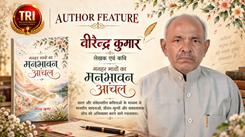
वीरेन्द्र कुमार एक समर्पित साहित्यकार और कवि हैं, जिनकी लेखनी मानवीय भावनाओं, जीवन मूल्यों और सकारात्मक सोच को सरल भाषा में प्रस्तुत करती है। उनका जन्म ग्राम डुडैला, पोस्ट कांठ, जिला मुरादाबाद, उत्तर प्रदेश में हुआ। वे स्वर्गीय श्री घसीटा सिंह और स्वर्गीय श्रीमती मूंगा देवी के पुत्र हैं। वर्तमान में वे सहारनपुर में निवास करते हैं। वीरेन्द्र कुमार ने सहकारी बैंक केन्द्रीयकृत सेवा, उत्तर प्रदेश में उप महाप्रबंधक पद से सेवा निवृत्ति प्राप्त की। सेवाकाल के साथ-साथ उनका साहित्य के प्रति गहरा लगाव बना रहा और वे लगातार साहित्य सेवा में सक्रिय रहे। उनके प्रकाशित काव्य संग्रहों में भाव अनुभूति, भावनाओं का आंचल, सम भाव पुष्पांजलि, भाव पुष्प और मनहर भावों का मनभावन आंचल शामिल हैं। इसके अतिरिक्त उनकी अनेक रचनाएँ विभिन्न प्रकाशनों के साझा संकलनों में भी प्रकाशित हो चुकी हैं, जिसके क्रम में उन्हें कई सम्मान पत्र प्राप्त हुए हैं। साहित्य सेवा में मनोयोग से जुड़े वीरेन्द्र कुमार लगातार नई रचनाओं और नई पुस्तकों के प्रकाशन के लिए प्रयासरत हैं। उनका संदेश है—“अप दीपो भव, सबका मंगल हो।” उनकी रचनाएँ भाव, संवेदना और सकारात्मक जीवन दृष्टि का सहज संगम प्रस्तुत करती हैं।
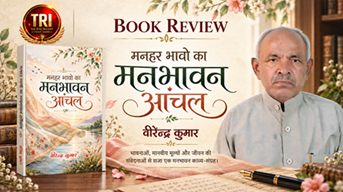
Book Review: Manhar Bhavo Ka Manbhavan Aanchal by Virendra Kumar
Manhar Bhavo Ka Manbhavan Aanchal by Virendra Kumar is a heartfelt Hindi poetry collection that brings together emotions, values, relationships, and positive thoughts in a very simple and meaningful way. The book feels close to everyday life because its poems are not written in a difficult or highly literary style. Instead, they speak directly to the reader through familiar feelings such as love, kindness, hope, humanity, harmony, and self-reflection. The title itself gives a warm feeling. The word “Aanchal” creates an image of comfort, care, and emotional shelter. In the same way, the poems in this collection try to give the reader a sense of emotional closeness. The book is not only about personal feelings. It also talks about how we should live with others, how we should treat people, and how values can make life more peaceful and meaningful. One of the strongest qualities of the book is its focus on human emotions. Every person goes through happiness, pain, confusion, hope, disappointment, love, and longing. The poems reflect these different shades of life in a simple way. Because of this, the book can connect with readers of different age groups. Even if a reader does not usually read poetry, the language and ideas are easy enough to understand. Another important theme in the collection is humanity. The author repeatedly brings attention to compassion, respect, and the importance of treating others with kindness. In today’s fast-moving life, people often become too busy with personal goals and forget the emotional needs of those around them. The poems remind us that success is not only about money or position. A good life also depends on kindness, understanding, honesty, and the ability to stand with others. The book also gives importance to love and relationships. Love here is not limited only to romantic emotion. It includes love for family, society, nature, humanity, and life itself. This wider understanding of love makes the collection more meaningful. The poet seems to believe that many problems in society can become smaller if people learn to listen to one another, respect differences, and maintain warmth in relationships. A sense of harmony and unity also runs through the book. The poems encourage peaceful living and mutual respect. The author highlights the value of living together with a feeling of equality. This message feels especially relevant in a world where people are often divided by social, cultural, religious, or personal differences. The book reminds the reader that human emotions are common to everyone. One of the beautiful aspects of Manhar Bhavo Ka Manbhavan Aanchal is its positive tone. The poems may touch on serious emotions and social concerns, but they do not leave the reader with negativity. Instead, there is a repeated sense of hope. The author tries to show that difficult situations can be faced with patience, understanding, and a positive outlook. This positive approach makes the collection encouraging rather than heavy. The poems also reflect self-awareness. The author encourages readers to look within themselves and think about their actions, thoughts, and responsibilities. This is important because real change often begins from self-reflection. Before asking society to improve, we may need to examine our own behaviour. In this sense, the book has a quiet motivational quality. It does not sound like a self-help book, but many poems carry lessons that can inspire readers to live with greater awareness. Nature is another important element in the collection. Nature often becomes a source of peace, beauty, and inspiration in poetry, and this book also appears to connect human emotions with the natural world. Nature can teach patience, balance, change, and acceptance. When these ideas are expressed through poetry, they become easier to feel rather than simply understand. Virendra Kumar’s writing style is simple, sincere, and direct. This is probably one of the biggest strengths of the book. The poems do not try to impress through complicated vocabulary. Instead, they focus on feeling. This makes the book accessible to a wide range of readers. A poem does not always need difficult words to be meaningful. Sometimes simple words carry stronger emotions because the reader can connect with them immediately. This collection follows that idea well. The author’s concern for moral values is also visible throughout the book. Themes like compassion, honesty, equality, peaceful coexistence, and respect for others give the collection a thoughtful social side. These are values that may sound simple, but they are important in everyday life. The book can therefore be read not only for literary enjoyment but also for reflection. Why Should You Read This Book? There are several reasons why readers may enjoy Manhar Bhavo Ka Manbhavan Aanchal. First, it is easy to understand. Readers who feel that poetry is usually too complicated may find this collection more comfortable. Second, the themes are universal. Love, humanity, relationships, hope, nature, and self-awareness are feelings and ideas that most people can relate to. Third, the poems carry a positive message. They encourage kindness, unity, and peaceful thinking rather than anger or negativity. Fourth, the book can be read slowly. It is the kind of collection where a reader can read one or two poems at a time and think about them. Poetry does not always need to be finished quickly. Sometimes a single line can stay with the reader for a long time. Another reason to read this book is that it reflects Indian emotional and social values in a natural way. Hindi poetry often has the ability to express emotions with warmth and familiarity, and this collection follows that tradition. Positive Takeaways from the Book One positive message is that emotions should not be treated as weakness. Feelings help us understand ourselves and others. Another is that relationships become stronger when they are built on respect and understanding. The book also reminds us that unity is more meaningful than division. Peaceful coexistence is not only a social idea; it is something that begins in daily behaviour. The focus on optimism is another valuable takeaway. Life will

Book Review: Kyro Squad Mission: Battle for Peace by Krish Patil
Book Review: Kyro Squad Mission: Battle for Peace by Krish Patil Kyro Squad Mission: Battle for Peace by Krish Patil is the kind of book that immediately gives the feeling of adventure, teamwork, danger, and a larger mission. Even from its title and presentation, the book carries the energy of a fantasy-action story where courage, friendship, responsibility, and the fight for peace stand at the centre. What makes the book interesting is the idea behind the title itself. The words “Squad Mission” suggest that this is not the story of only one person. It gives the feeling of a team coming together, facing challenges, and moving toward a common goal. Stories based on a group of characters often become enjoyable because every person can bring a different personality, strength, weakness, and way of thinking. The phrase “Battle for Peace” also gives the story a meaningful direction. It suggests that the action is not only about fighting. There is a reason behind the struggle. Peace is something that has to be protected, and sometimes the characters may have to face difficult situations in order to achieve it. This makes the central idea more meaningful than a simple battle between heroes and enemies. One of the first things that attracts attention is the fantasy-style world of the book. The cover creates an atmosphere filled with mystery, magical energy, powerful creatures, and young characters who seem ready for a difficult journey. Dragons, mysterious objects, different personalities, and strong visual elements suggest a world where imagination plays a major role. This is one reason younger readers may enjoy the book. Fantasy gives readers the freedom to enter a world that is very different from everyday life. For a few hours, the reader can leave normal routines behind and become part of a mission filled with surprises, danger, friendship, and discovery. The book also appears to have a strong element of teamwork. This is one of the positive qualities of stories like Kyro Squad Mission. A team cannot succeed only because one person is powerful. Different members need to trust each other, understand each other, and work together. That idea has value even outside a fantasy story. In real life, whether we are in school, at work, playing sports, or working on a project, teamwork is important. People have different strengths. One person may be brave, another may be intelligent, another may remain calm under pressure, while someone else may bring emotional strength to the group. A story built around a squad can show readers that being different is not always a weakness. Sometimes those differences are exactly what make a team stronger. Courage is another theme that naturally fits the book. A mission becomes interesting when the characters have something to lose and still choose to continue. Courage does not mean that someone is never afraid. Real courage is often shown when a person feels fear but still takes the next step because something important depends on it. This is a positive message for young readers. Many children and teenagers struggle with fear in different forms—fear of failure, fear of judgment, fear of trying something new, or fear of not being good enough. Adventure stories can communicate an encouraging message without sounding like a lecture. When readers watch fictional characters face difficult situations, they may also begin thinking differently about their own challenges. Friendship is another reason a book like this can be enjoyable. Action may keep a reader turning pages, but friendships often make readers care about the characters. When people fight together, disagree, support one another, and grow through difficult situations, the emotional side of the story becomes important. Readers usually remember not only the battles but also the moments between them—the jokes, arguments, sacrifices, promises, and support shared among characters. The idea of peace in the title also deserves attention. Peace is often treated as something simple, but maintaining peace can require patience, understanding, sacrifice, and responsibility. A fantasy story can explore these ideas in an entertaining way. The best adventure stories often have a deeper message behind the action. They may ask questions such as: What is worth fighting for? When should power be used? What makes someone a true leader? Is winning a battle enough, or is protecting others more important? Questions like these can give a young fantasy story more meaning. Why Should You Read This Book? There are several reasons why Kyro Squad Mission: Battle for Peace can attract readers. First, it offers an escape into an imaginative world. Readers who enjoy fantasy, adventure, missions, magical elements, and action may find the concept exciting. Second, the team-based idea makes the story suitable for readers who enjoy seeing different characters work together. It gives room for friendship, leadership, loyalty, and personal growth. Third, the book carries a positive central idea. A “battle for peace” suggests that the characters are working toward something larger than personal victory. That can make the adventure feel more meaningful. The book may especially appeal to younger readers who enjoy animated, comic-inspired, or fantasy-adventure storytelling. The colourful presentation gives it a lively and energetic identity. Another reason to read this kind of book is that it can help develop imagination. Fantasy stories allow readers to picture unusual places, creatures, powers, and situations. Reading these stories encourages the mind to create its own version of the world rather than simply watching everything on a screen. That is one of the quiet benefits of reading fiction. The story’s focus on peace can also encourage readers to think about responsibility. Strength or power becomes meaningful when it is used to protect rather than harm. The squad format can also highlight loyalty and trust. Trust is built over time, especially when people go through difficult situations together. Young readers may also connect with the idea of self-belief. Adventure stories often show characters discovering abilities or confidence they did not know they had. This can be inspiring because many people understand their own strength only after facing challenges.
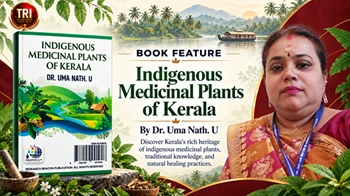
Author Feature: Dr. Uma Nath U — Exploring the Healing Value of Nature
Dr. Uma Nath U is an experienced academician, researcher, and author with a strong background in pharmaceutical sciences and natural product research. She has worked as a Professor of Pharmaceutical Analysis at Sreekrishna College of Pharmacy and Research Centre, Kerala, affiliated with the Kerala University of Health Sciences. With around 15 years of academic experience, Dr. Uma Nath U has spent a major part of her career teaching, researching, and studying the medicinal value of natural resources. Her academic journey includes an M.Pharm in Pharmaceutical Analysis, a PhD from Karpagam Academy of Higher Education, Coimbatore, and a post-doctoral program from Eudoxia Research University, USA. Her interest in medicinal plants and traditional knowledge is clearly reflected in her book, Indigenous Medicinal Plants of Kerala. The book presents useful information about native medicinal plants, their scientific identity, local names, families, and traditional uses in a simple and organized way. Through her work, Dr. Uma Nath U brings together academic knowledge and the rich natural heritage of Kerala. Her book can serve as a helpful reference for students, researchers, teachers, and readers interested in medicinal plants and traditional healthcare practices.

Book Review: Indigenous Medicinal Plants of Kerala by Dr. Uma Nath U
Indigenous Medicinal Plants of Kerala by Dr. Uma Nath U is a useful and informative book that brings together important details about traditional medicinal plants found in Kerala. The book is written in a clear reference style and is especially helpful for students, teachers, researchers, herbal medicine enthusiasts, and readers who are interested in understanding the medicinal value of plants used in Indian traditional practices. One of the first things that stands out about the book is its practical approach. It does not try to make the subject unnecessarily complicated. Instead, it introduces different plants one by one and provides important information about their botanical identity, family, local names, traditional uses, and medicinal importance. This makes the book easy to use as a reference whenever someone wants to learn about a particular plant. The book includes a range of indigenous medicinal plants such as Aeschynomene indica, Abrus precatorius, Celosia argentea, Achyranthes aspera, Curculigo orchioides, Dioscorea oppositifolia, Drosera indica, Aerva lanata, Dillenia indica, and several others. The inclusion of many plants gives the reader a broader picture of Kerala’s rich medicinal plant diversity. A major strength of the book is that the author does not only mention the scientific names. The plant entries also include details such as family, subfamily, common name, Hindi name, vernacular names, synonyms, and accepted species names. This makes the book more useful because one plant may be known by different names in different regions. For a student or researcher, this kind of information is very important for correct identification. The photographs included with the plant entries are also helpful. Botanical names can sometimes feel difficult or unfamiliar, especially for beginners. A photograph makes the plant easier to recognize and creates a stronger connection between the scientific information and the actual plant seen in nature. This visual support improves the practical value of the book. The section on Aeschynomene indica is a good example of the book’s simple presentation. The plant is introduced with its family information and vernacular names. The arrangement is straightforward, which means that even a reader without advanced botanical knowledge can understand the basic information. This is one of the best qualities of the book: it is technical enough to be useful, but not so complicated that it becomes difficult to follow. The entry on Abrus precatorius also shows the systematic approach followed throughout the book. The reader is given its family, subfamily, synonym, and species name. Such organization makes the book suitable for academic study as well as general reference. Instead of having to search for scattered information from many different places, the reader gets several basic botanical details together. Another interesting plant discussed in the book is Celosia argentea. The book provides a number of synonyms and classification details. This shows that the author has tried to make the work detailed and useful for readers who may come across different scientific references for the same plant. The medicinal-use sections are especially valuable. The book mentions traditional systems and uses connected with Ayurveda and other medicinal practices. In some entries, it also points to reported activities such as antimicrobial, antioxidant, anti-inflammatory, and other properties. These sections help readers understand why these plants have remained important in traditional healthcare systems. At the same time, the book should be read as an educational and reference work rather than as a self-treatment manual. Medicinal plants can be powerful, and some plants may be unsafe if used incorrectly. Their effects can depend on the part of the plant used, preparation, quantity, and individual health conditions. Because of this, the information in such books is most useful when combined with proper professional guidance and scientific understanding. What makes this book especially meaningful is its focus on Kerala. Kerala has a long history of plant-based healing traditions, especially through Ayurveda and local knowledge passed from one generation to another. The state is also known for its rich biodiversity. By documenting indigenous medicinal plants, the book helps preserve knowledge that may otherwise slowly disappear. This preservation is important today. Modern lifestyles have created distance between people and traditional plant knowledge. Many younger readers may recognize packaged herbal products but may not know the actual plants from which those products come. Books such as Indigenous Medicinal Plants of Kerala help bring that knowledge back into focus. The book also has educational value for students of botany, pharmacy, Ayurveda, biotechnology, herbal science, and related subjects. For them, the classification details can serve as a starting point for further study. Teachers may also find it useful for introducing students to medicinal plants in a more practical way. The language and structure of the book remain fairly direct. Rather than long theoretical discussions, the author focuses on information. Each plant is treated almost like an individual profile. This makes it easy to read the book in sections rather than from beginning to end. A reader can simply look for a plant of interest and study its details. This reference-style format is suitable for the subject because medicinal plant books often need to be used repeatedly. A reader may return to the same page many times. Clear headings, plant photographs, family details, and medicinal uses make this easier. Another positive point is that the book connects traditional knowledge with modern research language. For example, some plant uses are presented under traditional medicine while others mention reported biological activities. This gives the reader a sense that traditional knowledge and modern scientific investigation can both contribute to understanding medicinal plants. The book also encourages curiosity. When a reader sees that a commonly available plant has traditional medicinal use, they may become interested in learning more about its chemistry, ecology, or cultural importance. In this way, the book can act as an introduction to a much larger subject. However, readers who are looking for very detailed clinical evidence, dosage information, or advanced pharmacological analysis may need additional scientific sources. The main strength of this book appears to be its role as a compact guide and introduction
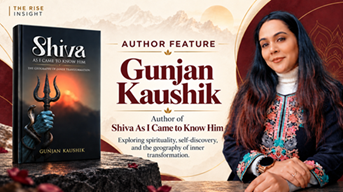
Author Feature: Gunjan Kaushik — Guiding Transformation Through Healing, Education, and Spiritual Wisdom
Gunjan Kaushik is an author, Reiki healer, spiritual mentor, and English educator whose work brings together learning, healing, and inner transformation. Based in Faridabad, she has spent years helping people understand themselves better, move through difficult phases of life, and reconnect with a deeper sense of purpose. Her journey is rooted not only in spiritual study but also in personal experience. Through stillness, self-awareness, mindfulness, and energy healing, Gunjan developed an approach that blends ancient wisdom with the emotional needs of modern life. Rather than viewing healing as a process of “fixing” something broken, she creates a safe and compassionate space where people can release old patterns, understand their inner struggles, and grow at their own pace. Over the years, Gunjan has taught and mentored more than 20,000 students and trained over 500 Reiki practitioners. Her work has also connected her with seekers and healing clients across the world, creating a growing community around her teachings and spiritual reflections. Her book, Shiva: As I Came to Know Him, reflects this deeply personal approach. Part spiritual memoir and part journey of inner transformation, the book presents Shiva beyond ritual and traditional religious boundaries. Through her own experiences, Gunjan explores stillness, identity, attachment, healing, and self-awareness. With her writing and mentoring, Gunjan Kaushik offers a warm, contemporary spiritual voice for anyone searching for meaning, resilience, and a deeper connection with the sacred within everyday life.
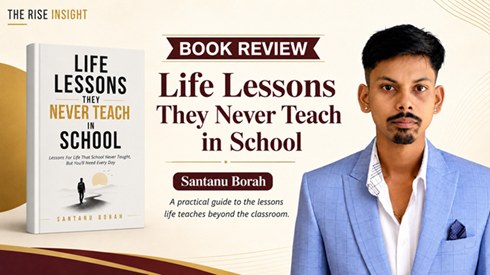
Book Review: Life Lessons They Never Teach in School by Santanu Borah
Life Lessons They Never Teach in School by Santanu Borah Life Lessons They Never Teach in School by Santanu Borah is a simple, practical, and inspiring book about the lessons that people often learn only after entering the real world. The book speaks about success, failure, fear, discipline, relationships, purpose, courage, personal growth, and many other areas of life that are very important but are not always taught in classrooms. The main strength of this book is its simplicity. It does not use difficult words or complicated theories. Instead, the author explains important ideas through relatable situations, short stories, examples, and practical reflections. Because of this, the book feels easy to read and understand. It can be useful for students, young professionals, entrepreneurs, and even older readers who want to think again about the way they are living their lives. The very title of the book gives a clear idea of its purpose. School teaches us many useful subjects, but life demands some different skills. We may study mathematics, science, history, and language for many years, but later we discover that real life also asks us to manage money, handle pressure, face rejection, make difficult decisions, communicate with people, recover from failure, and understand ourselves better. This idea is clearly explained in the first chapter, “Success Is Not What School Teaches.” The chapter starts with the memory of the first day of school. This makes the beginning very personal and familiar. Almost every reader can remember entering school with a new uniform, books, a school bag, and the hope that education would prepare them for the future. The author then talks about the common formula of success that many of us hear from childhood: study hard, get good marks, secure a good job, and build a successful life. There is nothing wrong with this advice, and the book does not criticize education. In fact, the author respects the importance of schools and teachers. But he also explains that education alone cannot prepare us for every situation. In the real world, people are not asked what marks they scored in school. Instead, they are judged by the way they solve problems, communicate, lead, manage emotions, deal with pressure, and take responsibility. This is one of the strongest messages of the book. A very meaningful thought in the first chapter is that school gives the lesson first and then the test, while life often gives the test first and the lesson later. This line explains the difference between academic education and real-life learning in a very simple way. Many of the most important lessons in life come after mistakes, failures, disappointments, or difficult experiences. Another beautiful chapter is “The Art of Letting Go.” This chapter begins with a simple story of a young boy sitting under a tree in autumn. He watches the tree lose its leaves and asks his grandfather whether the tree is afraid. The grandfather explains that the tree is not losing its life. It is preparing for a new season. This short story gives a deep lesson without becoming difficult. Sometimes, moving forward in life requires us to leave something behind. We often think that personal growth means gaining more—more knowledge, more success, more money, more relationships, or more achievements. But the author reminds us that growth can also mean letting go. We may need to let go of old memories, unhealthy habits, past failures, guilt, negative relationships, unrealistic expectations, or a version of ourselves that no longer helps us grow. The example of the tree is especially effective because it shows that letting go is natural. A tree does not hold every old leaf forever. If it did, there would be no space for new growth. In the same way, people also need space for new beginnings. This chapter can connect deeply with readers who are facing change. Letting go is never easy, but the book presents it as a necessary part of life rather than something to fear. Sometimes, what looks like an ending is actually preparation for a new chapter. The chapter “Fear: The Invisible Wall Between You and Your Dreams” is also one of the most powerful parts of the book. It begins with the story of a traveler standing near a mountain. He wants to climb it, but fear stops him before he even begins. An old guide tells him that the mountain is not stopping him—his fear is. This simple example explains how fear works in everyday life. Many people have dreams, talent, and opportunities, but they still do not move forward because they are afraid. The author discusses different kinds of fear such as fear of failure, rejection, judgment, losing, uncertainty, and not being good enough. These are not unusual fears. Almost everyone experiences them at some point. The book also makes an important distinction: fear itself is not always bad. Fear can protect us from real danger. The real problem starts when fear begins to control our decisions and stops us from taking steps that could improve our lives. This is a very practical lesson. Many people remain inside their comfort zone because safety feels peaceful. They avoid risks, difficult conversations, new opportunities, public speaking, business ideas, or creative work because they do not want to fail. But the author explains that the cost of always playing safe can be greater than failure itself. One of the best ideas in the chapter is that failure is temporary, while regret can remain for a long time. The book gives the example of two people. One starts a business and fails. The other never starts because he is afraid. Years later, the first person may have gained experience, knowledge, and confidence. The second may only have one question: “What if I had tried?” This is a powerful reminder that failure is not always the worst possible result. Sometimes, not trying at all can hurt more. The book also explains courage in a very realistic way. Courage does not mean that a
The Rise Insight Congratulates Manjri Sinha on Her Nomination for the TRI Literary Awards 2025 (Season 03)
It is with great pride and immense joy that The Rise Insight congratulates Ms. Manjri Sinha, writing under her maiden name Manjusha, on the remarkable achievement of being nominated for the TRI Literary Awards 2025 – Season 03 in the Poetry category for her evocative book, just walk with me. This nomination stands as a testament to the emotional richness, authenticity, and creative brilliance that her literary work brings to contemporary Indian poetry. Born in the culturally vibrant city of Allahabad and educated across the diverse intellectual landscapes of Kanpur, Delhi, and Guwahati, Manjri Sinha’s background has endowed her with a deep, observational lens on life. Her poetic journey began during her college days in Guwahati, where her early compositions were recognized and awarded at university levels. Today, she is a writer whose work is as heartfelt as it is profound, capturing the subtle nuances of life, relationships, and inner emotions with rare sensitivity. In just walk with me, Ms. Sinha invites readers into her contemplative world—a world shaped by a passion for poetry, a love for gardening, and an unwavering belief in celebrating life in all its forms. The book stands as a quiet yet powerful reflection of her life philosophy: that joy lies in embracing the present, nurturing relationships, and finding beauty in the ordinary. With every page, she encourages her readers not just to read, but to walk with her—emotionally, intellectually, and spiritually. The TRI Literary Awards committee was unanimous in recognizing the distinct voice and literary merit of this work. What sets just walk with me apart is its simplicity that conceals great depth. Manjri Sinha writes not to impress, but to express. Her poems carry a meditative stillness and emotional honesty that resonate across generations and cultures. Her style is unpretentious yet impactful, combining lyrical grace with heartfelt introspection. The accessibility of her language does not dilute its emotional weight; instead, it magnifies its universality. TRI’s selection criteria for nominations include originality of voice, relevance of themes, literary execution, and emotional resonance. just walk with me excelled in all these areas. In a world often rushing toward complexity, Ms. Sinha’s poetry serves as a gentle reminder of the power of presence, observation, and gratitude. Her words serve as a bridge between the inner self and the outer world, offering solace, strength, and celebration. Moreover, what deeply impressed the jury was her ability to root her poetic expressions in everyday experience—from the simple joys of gardening to the layered dynamics of human connection. There is a sincerity in her voice that transcends the page and touches the reader directly. Through her verses, she reaffirms the idea that poetry is not reserved for grand narratives but thrives in daily reflections, in relationships that matter, and in moments that are often overlooked. The Rise Insight believes that voices like Ms. Sinha’s are essential in today’s literary landscape. Her poetry not only enriches Indian literature but also speaks to a global audience seeking authenticity and meaning. Her nomination under the Poetry category is a recognition of her commitment to literary excellence and emotional truth. As we celebrate the talented nominees of TRI Literary Awards 2025 – Season 03, we take this moment to honor Ms. Manjri Sinha for her beautiful contribution to literature. We are confident that just walk with me will continue to touch hearts and inspire many, and we look forward to seeing her work receive the wide appreciation it richly deserves. Once again, congratulations to Manjri Sinha on this well-earned recognition. May this be just one of many milestones in your literary journey. Stay connected with The Rise Insight as we continue to celebrate authors who shape the literary world with passion, truth, and poetic grace.
Author Interview With Rakhya Ranjan Sahoo
What inspired you to write The Heartbeat of Bharat? Was there a particular moment that sparked the idea? The Author: The inspiration for “The Heartbeat of Bharat: Unveiling Hidden Cultural Gems” arose from a deep concern about the subtle yet significant erosion of core values in our rapidly evolving society. While progress brings undeniable benefits, I observed with a heavy heart the increasing prevalence of fractured families, a diminishing reverence for our elders, and a fading sense of “Bhaichara” – that profound Indian ethos of वसुधैव कुटुम्बकम्, the world as one family. It wasn’t a singular event, but rather a series of observations – a news report highlighting rising divorce rates, a casual dismissal of an elder’s wisdom, a palpable shift towards individualism over communal harmony – that coalesced into a compelling need. I felt a stirring within me, a conviction that the timeless wisdom and unifying principles embedded within India’s cultural heritage hold vital keys to navigating these modern challenges. “The Heartbeat of Bharat” thus became my humble attempt to reawaken an appreciation for these enduring values, hoping to remind us that the strength of our present and the promise of our future lie in rediscovering and embracing the profound interconnectedness that has always been the very soul of Bharat. The book covers many hidden cultural aspects. How did you discover and research them? The Author: Unearthing the hidden cultural gems within “The Heartbeat of Bharat: Unveiling Hidden Cultural Gems” was less a deliberate research project and more of a heartfelt pilgrimage across the soul of India. It wasn’t confined to dusty archives or sterile libraries, though those played their part. The true discoveries blossomed organically, like wildflowers in forgotten corners. They emerged from countless conversations under the shade of ancient banyan trees, from the vibrant rhythms of folk songs echoing through village squares, and from the gentle wisdom shared by weathered hands that have carried generations of tradition. Each encounter, each shared story, each witnessing of a fading art form felt like uncovering a precious shard of our collective heritage. It was about listening with not just my ears, but with my heart, allowing the stories to seep into my being and resonate with a deeper truth. The research was a journey of empathy, of genuine curiosity, and a profound respect for the living traditions that continue to breathe life into the very essence of Bharat. It was in these intimate, human connections that the true heartbeat of India revealed itself, one story, one art form, one whispered wisdom at a time. Was there any place or tradition that personally moved you while writing this book? The Author: Indeed, the very fabric of “The Heartbeat of Bharat: Unveiling Hidden Cultural Gems” is woven with threads of personal resonance from my travels across this incredible land. While each encounter left its imprint, the tapestry truly deepened during my formative experiences in different corners of India. My training days in the verdant embrace of Kerala introduced me to a world where nature and culture danced in harmonious rhythm, their traditions steeped in a profound connection to the land. Then, my first professional steps in the vibrant state of Gujarat exposed me to a unique blend of entrepreneurial spirit and deeply rooted customs, a testament to resilience and community. And the serene sojourn in the majestic Himalayas of Himachal Pradesh offered a glimpse into a simpler, more contemplative way of life, where spirituality permeated the crisp mountain air. It wasn’t just the picturesque landscapes or the distinct languages that moved me; it was the warmth of human connection, the effortless way people embraced their traditions, and the underlying unity that bound these diverse experiences together. Sharing a meal with a family in a Gujarati village, witnessing a Kathakali performance under the Kerala moonlight, or listening to ancient folklore echo through the Himalayan valleys – these moments weren’t mere observations; they were deeply felt experiences that resonated with a fundamental part of my being. It was in these organic immersions, mingling with the heartbeats of different cultures, that the inspiration for this book truly took root, a heartfelt desire to share the beauty and wisdom I encountered firsthand, hoping it might touch the hearts of others as profoundly as it touched mine. How do you think modern youth can stay connected with Bharat’s cultural roots? The Author: Staying connected to Bharat’s cultural roots in this rapidly evolving world isn’t about rigidly clinging to the past, but rather about fostering a living, breathing relationship with it. It begins with curiosity – a gentle nudge to explore the stories our grandparents tell, to listen to the melodies of our regional music, and to understand the significance behind our festivals and rituals, not just as holidays, but as vibrant expressions of our collective identity. It’s about finding the relevance of these roots in our modern lives. Perhaps the ancient wisdom embedded in our philosophies can offer solace and guidance amidst the complexities of today. Maybe the intricate artistry of our traditional crafts can inspire creativity and a deeper appreciation for mindful creation in a world of mass production. We can weave these connections through conscious choices – supporting artisans, attending cultural performances, even exploring regional cuisines with an open mind. It’s about using technology not just to connect with the world, but also to delve into our own heritage through online resources, virtual tours of historical sites, and engaging with digital communities that celebrate our culture. Most importantly, it’s about fostering a sense of pride and belonging. Understanding where we come from enriches who we are. By embracing our cultural roots, the modern youth of Bharat can cultivate a deeper sense of self, a stronger connection to their communities, and a richer, more meaningful existence, carrying the timeless wisdom of our past into the boundless possibilities of the future. It’s about letting the heartbeat of Bharat resonate within their own hearts, guiding their steps in a world that often feels disconnected. What challenges did
Book Review: Naamghar in America by Dr. Binoy K Bordoloi
In Naamghar in America, Dr. Binoy Bordoloi tenderly weaves together memory, devotion, and the immigrant experience to document how the spiritual heartbeat of Assam, the Naamghar, found new life in the far corners of North America. From the very first chapter, the author sets the tone of reverence and nostalgia: “The Naamghar is not just a structure. It is a soul-space, where voices rise in chorus, and faith, no matter how far from its birthplace, finds home again.” This quote encapsulates the book’s theme: that faith is not confined to geography. Through the author’s eyes, we witness the quiet determination of the Assamese community to carry their traditions across oceans, and in doing so, redefine what it means to belong. Dr. Bordoloi’s scientific and entrepreneurial background adds a unique lens, making the narrative deeply observant yet emotionally grounded. He writes: “The challenge was not just building a Naamghar in a foreign land, it was about growing a community where one did not yet exist.” The book is structured with elegance. Photographs, essays, and personal accounts blend into a tapestry of heritage, reminding readers of the importance of ritual in the face of change. The author’s voice is both personal and collective, echoing the stories of many immigrants who yearn to plant their cultural roots in new soil. One particularly striking excerpt reflects on the act of gathering in a Naamghar: “In a land of snow and speed, the slow rhythm of naam stills the mind. Here, amidst highways and deadlines, one finds the music of peace.” This line reveals the quiet rebellion of the diaspora, choosing stillness and spiritual continuity in a fast-paced, modern world. Highlights: Final Thoughts: Naamghar in America is more than a book. It is a bridge. A bridge between continents, generations, and hearts. Dr. Bordoloi writes with the clarity of a scientist and the heart of a devotee, creating a work that is both educational and profoundly moving. “We didn’t just bring songs, we brought silence, sanctity, and the sacred.” This book will speak deeply to anyone who has ever tried to carry their roots into a new world. When people migrate, they carry many things with them. Some pack clothes, some bring spices, and some carry stories. In Naamghar in America, Dr. Binoy Bordoloi shows us what happens when a community carries its faith. This book is not loud. It does not demand attention. Instead, it speaks gently, like the naam (devotional chants) it describes. Through personal memories, photographs, and reflections, Dr. Bordoloi takes us into the world of the Assamese diaspora in North America. More importantly, he shows us how they created spaces of peace and prayer in a land that felt nothing like home at first. “Naamghar is not just a place. It is the rhythm of our people’s heartbeat.” Reading this book feels like sitting in a quiet room, listening to an elder speak about something sacred. The stories are not dramatic, but they stay with you. There is something deeply moving about people gathering in basements, rented halls, or quiet rooms to sing songs that connect them to their ancestors. “We were not just praying. We were remembering who we were.” This book is a reminder that even in a fast-moving world, people still seek what is still and timeless. For the Assamese community, the Naamghar became that still point. There are also beautiful photographs that capture the warmth of these gatherings. You see faces lit with devotion, hands folded in prayer, and children watching with curiosity. It feels like a photo album that tells the story of something precious. In short: Naamghar in America is a book about love. Love for a tradition, for a people, and for the quiet strength it takes to keep something alive across oceans. It does not try to impress. It simply tells the truth. And that is what makes it powerful. This book is for anyone who has ever missed home. It is also for anyone who believes that even the smallest flame can light up a new world. Dr. Binoy K. Bordoloi’s Naamghar in America is an expansive and heartfelt documentation of cultural perseverance. The book offers a rare and important glimpse into how a faith tradition rooted in 15th-century Assam has been kept alive by the Assamese diaspora in North America. With personal essays, photographs, and historical references, Dr. Bordoloi crafts a vivid picture of how the Naamghar—a traditional community prayer hall—has transformed and thrived in unfamiliar landscapes. The book spans the early efforts of a few families gathering in living rooms to the establishment of full-fledged Naamghars across cities in the U.S. and Canada. “In our Naamghars, oceans away from Assam, we did not recreate a past. We created a living present.” That sentiment permeates the book. It is not merely about nostalgia or preserving rituals for the sake of tradition. It is about continuity with consciousness. Dr. Bordoloi skillfully explores how rituals, when adapted with care, do not lose their soul. The photographs add richness to the narrative. They capture moments of worship, celebration, construction, and quiet contemplation. These images speak to the reader with as much clarity as the words do. For scholars of religion, diaspora studies, or cultural anthropology, this book is an invaluable resource. But it is also an emotional read. At its core, Naamghar in America is a story of human longing: to be connected, to remember, to recreate sacredness in strange lands. It reminds us that migration is not just a journey of bodies but also of beliefs. “Wherever naam is sung with love, the Naamghar lives.” This book is proof that faith can travel. And when it does, it often builds something new and beautiful.